

Course Overview
In collaboration with GeriMedRisk, this micro-credential focuses on evidence-based medication management practices critical to the comprehensive care of older adults with their unique pharmacological considerations and accompanying challenges. With the aging population, there’s a growing need for healthcare professionals who have the knowledge and skill to provide care to this growing population.
Who should take this course?
Pharmacists seeking to enhance their foundational knowledge in geriatric pharmacotherapy, including those working in community pharmacies, hospitals, long-term care facilities, and other healthcare settings where they provide care for older adult patients. Other healthcare providers involved in the medication management of older adults (e.g. nurse practitioners, physicians) may also find this course beneficial. Participants should posses a baseline knowledge of medication administration, drug dosing, and interactions to ensure successful completion of the course.
How is the course delivered?
This is a 11-week online, micro-credential course delivered as 8 modules of video lectures, readings, interactive activities, and discussion boards. Each weekly module includes 2-3 hours of activity for the learner. To successfully complete the course and attain the micro-credential, participants will apply principles of geriatric pharmacotherapy to 2 case assignments at the midpoint and end of the course. The course is delivered asynchronously to allow for flexibility for busy working healthcare professionals.
Learning Objectives
By the end of the course, participants should be able to:
1. Explain geriatric pharmacotherapy principles
- Describe the pharmacokinetic and pharmacodynamic changes associated with aging.
- Identify common geriatric syndromes and their implications on pharmacotherapy.
2. Apply evidence-based practices in geriatric medication management
- Utilize current evidence-based guidelines to optimize pharmacotherapy in elderly patients.
- Analyze and evaluate the appropriateness of prescribed medications considering potential polypharmacy, adverse effects, and age-related physiological changes.
3. Develop patient-centered care plans
- Design individualized pharmacotherapy plans that consider patient preferences, comorbidities, and functional status.
- Effectively communicate medication management plans to elderly patients and their families, emphasizing safety and adherence.
4. Collaborate with interprofessional teams in geriatric care
- Demonstrate effective collaboration and communication with an interprofessional team, including physicians, nurses, social workers, and caregivers, to enhance patient outcomes.
- Recognize the roles and contributions of various healthcare providers in geriatric care and integrate their insights into patient care.
5. Address Ethical and Cultural Considerations in Geriatric Care
- Explore the role of the pharmacist in interprofessional geriatric care teams.
- Discuss collaborative practice agreements and team-based care models.
- Identify effective communication and coordination strategies among healthcare providers involved in geriatric care.
Microcredential Notice of Collection
By completing this registration, you consent to your email address being shared with BCdiploma, the third-party platform used to issue your digital credential (badge). Your email address will be retained on the BCdiploma platform, as it serves as your unique identifier linking you to your earned credential. For more information about BCdiploma, including their privacy policy, please visit BCdiploma privacy policy.
Instructors and Content Experts
Image

Karen Cameron
Topic: Barriers to Adherence, Interprofessional Collaboration and Team-Based Care
Image
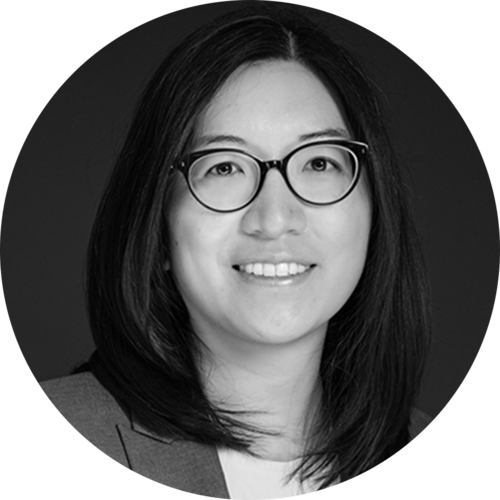
Jennifer Tung
Topic: Social Determinants of Health and Social Challenges in Older adults
Image

Sophiya Benjamin
Topic: Sleep Disorders in Older Adults
Image

Jack Bodkin
Topic: Anxiety and Depression
Image

Kelvin Chu
Topic: Parkinson’s Disease
Image

Saumil Dholakia
Topic: Critical appraisal and Challenges in Clinical Aging Research
Image

Joanne Ho
Topic: Physiological Changes Associated with Aging, Drug Interactions in Older Adults, Dementia, Delirium
Image
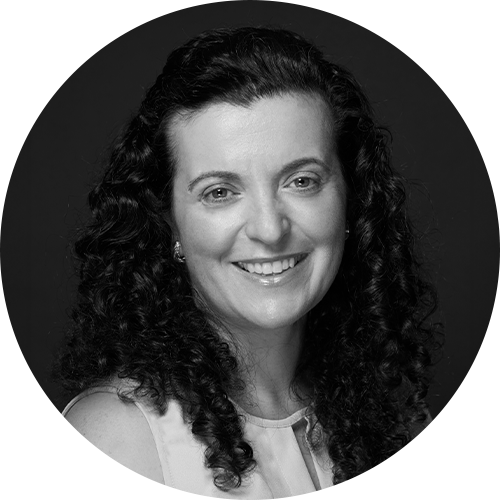
Pam Howell
Topic: Polypharmacy and Deprescribing
Image
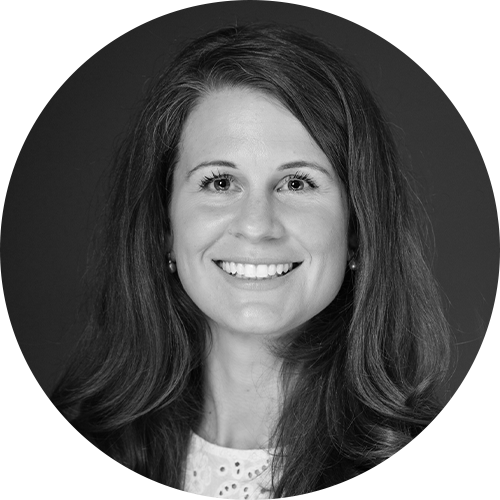
Meaghan Kemp
Topic: Best Possible Medication History and Medication Reconciliation, Dementia
Image
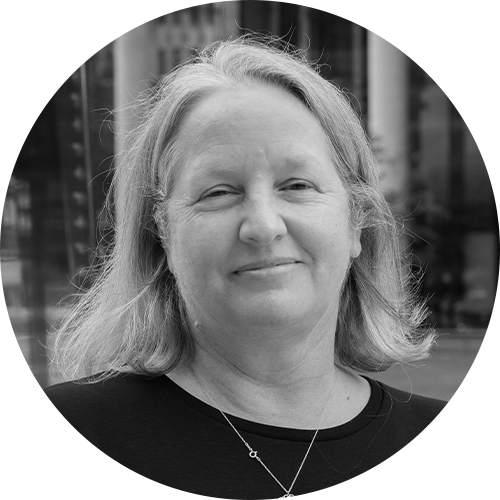
Heather Kertland
Topic: Cardiovascular Disease in Older Adults
Image

Cassandra McLelland
Topic: Diabetes and Thyroid conditions in Older Adults
Image
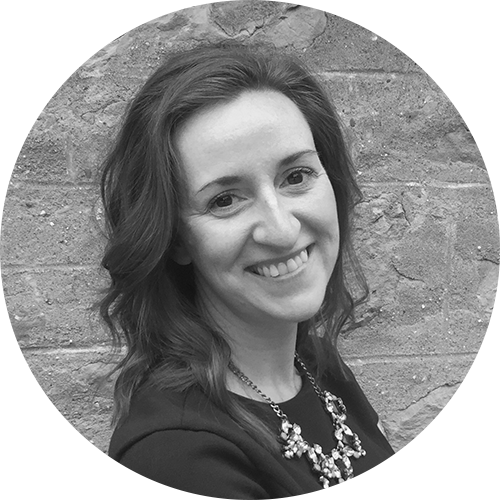
Sara Lavoratore
Topic: Pain Management in Older Adults
Image
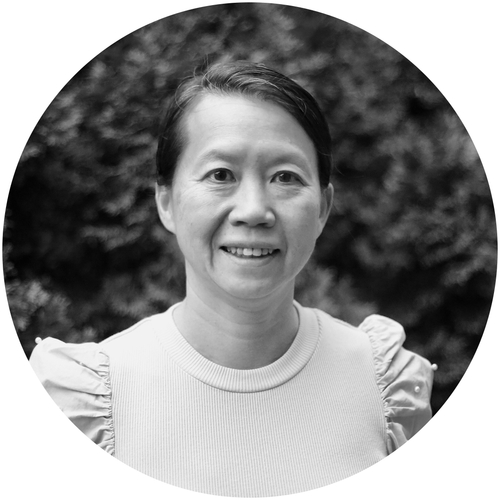
Monica Lee
Topic: Osteoporosis and Bone Health
Image
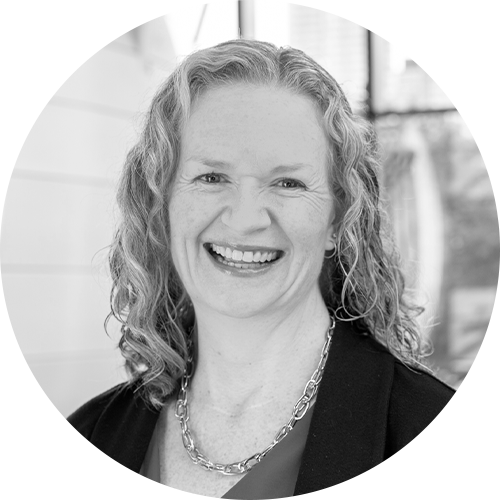
Lisa McCarthy
Topic: Polypharmacy and Deprescribing
Image

Beverly-Ann Oliver
Topic: Potentially Inappropriate Medications, Behaviour and Psychological Symptoms of Dementia
Image

Katie Palmer
Topic: Urological Conditions: Urinary Incontinence and Benign Prostatic Hyperplasia

More News
Image

Zubin Austin appointed as president of Canadian Academy of Health Sciences
As first pharmacist in the role, Austin plans to increase public engagement to provide Canadians with evidence-based health information.
Read More
Image

New AI-powered OpenPep platform aims to accelerate peptide drug discovery with $2.3 million USD in Google.org funding
Research team, led by Joseph Brown, will generate experimental data and develop AI model to create open access peptide research tool.
Read More
Image

Professor Monica Aggarwal to lead national project to develop Canada’s first Pan-Canadian Primary Care Strategy
Assistant professor Monica Aggarwal has been appointed to lead the development of Canada’s first evidence- and consensus-based Pan-Canadian Primary Care Strategy, a national project aimed at strengthening and transforming primary care systems across the country.
Read More